
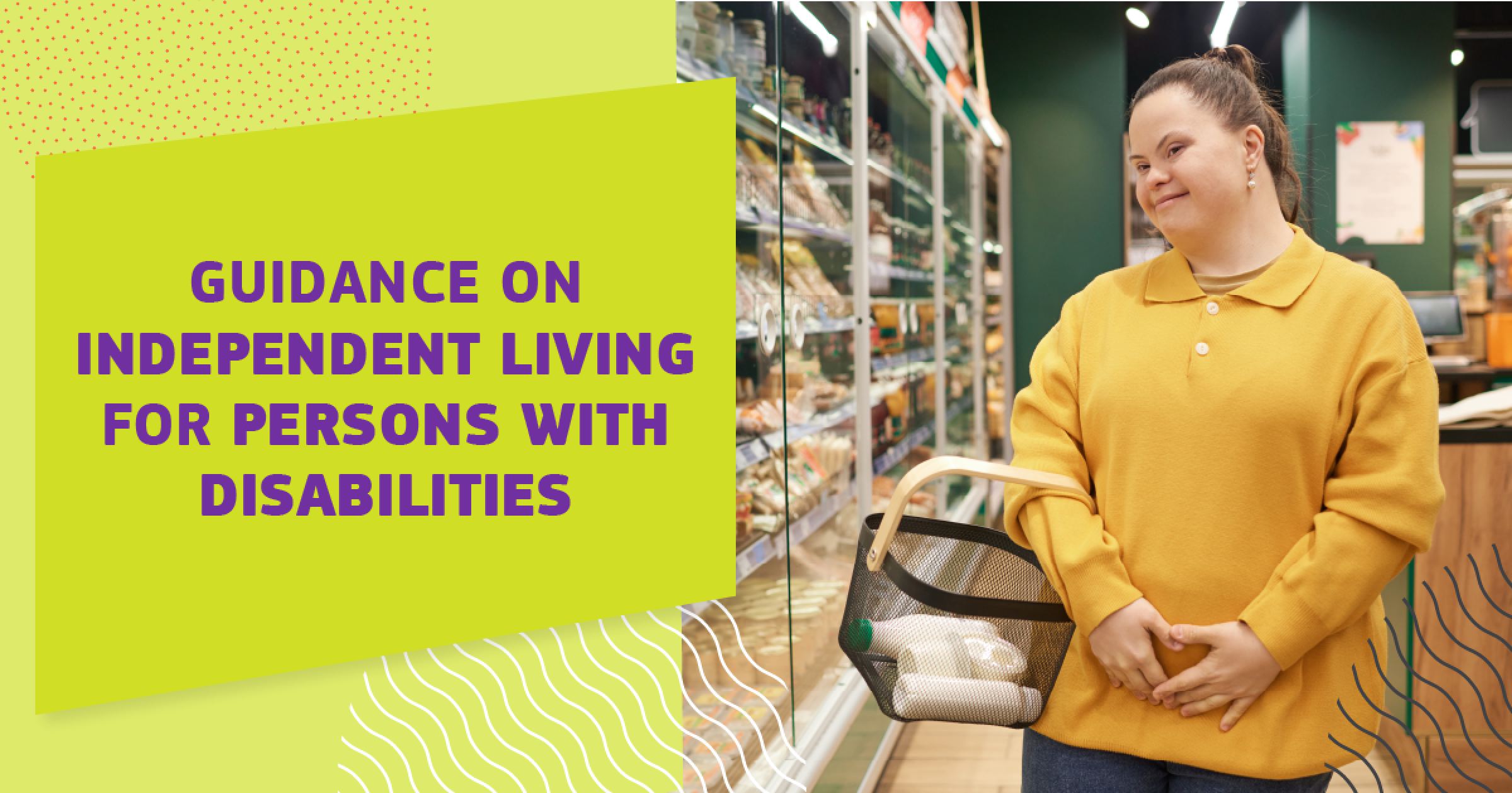
The European Commission launched its Guidance on independent living and inclusion in the community of persons with disabilities in the context of EU funding.
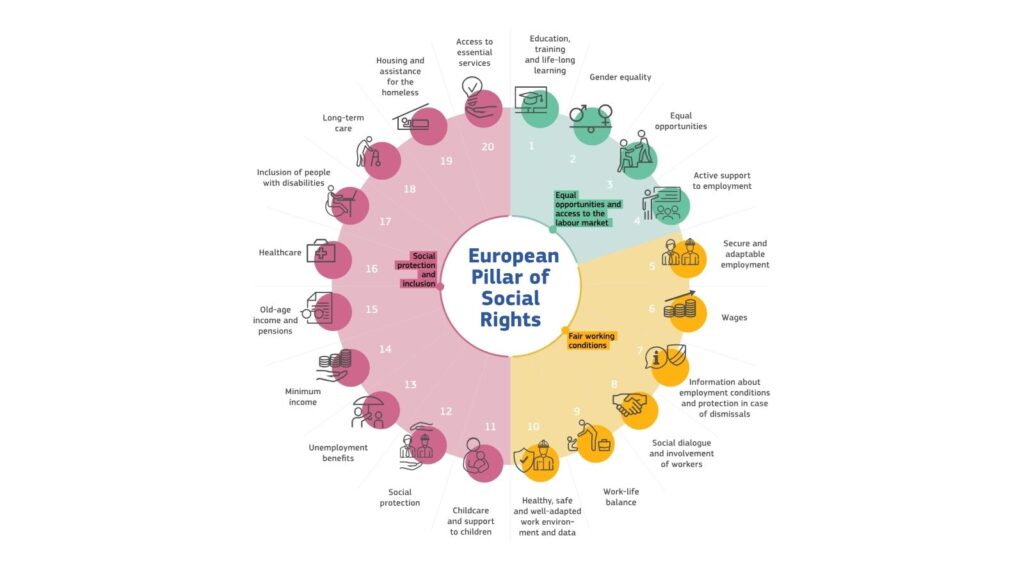
The Guidance is a ‘flagship’ initiative of the Strategy for the Rights of Persons with Disabilities 2021-2030. It contributes to fulfilling obligations under the UN Convention on the Rights of Persons with Disabilities (UNCRPD), to which the EU and all Member States are parties. The guidance also aims to support the implementation of the European Pillar of Social Rights.
More specifically it contains practical recommendations to Member States on the use of EU funding to accelerate the transition from institutional care to community-based services and independent living for persons with disabilities. The aim is to make independent living for persons with disabilities a reality, empowering them to choose how, where and with whom they live, and providing them with access to a range of community support services, as well as equal access to services.
This Guidance is available in all EU languages here. It is the first time that the European Commission details its own understanding of independent living and how EU Funds can be used to foster the needed transformation of support.
The Guidance covers:
- The EU’s practical understanding of independent living
- Policy Orientations for the use of EU Funds
- Transforming principles to actions
- Support from EU Funds
- Monitoring Progress
In response to the publication, COFACE, EASPD, EDF, Inclusion Europe, ENIL, and Eurochild jointly organised a webinar on 11 December for first stakeholder reactions and dialogue with the European Commission. COFACE President, Antonia Torrens, spoke about the family dimension of the guidelines.
As an organisation representing families, Ms. Torrens highlighted that COFACE Families Europe is trying to advocate for disability-specific strategies and services to take into account the realities of families, namely the family environment of persons with disabilities and how this can hinder or empower them. This is essential to make deinstitutionalisation (DI) possible. If we are moving away from institutions to community-based supports, we need policies and services to strengthen communities/families.
She congratulated the European Commission and key stakeholders who contributed to co-shaping the recently published EU Guidance on independent living. It is a solid basis for implementation of independent living across EU countries. The Guidance also includes a clear focus on the family environment of the persons concerned, and the need to ensure that families feel supported in the DI/Independent Living process.
This is important since the experience of COFACE families is that institutionalisation starts from early childhood, with schools excluding children with disabilities as early as crèches. Once in the specialised crèche systems, it is difficult to move out into the mainstream system. As a family, if you choose an inclusive life for your child, you need to be an activist and militant. Empowering families to go against an institutionalised education and care system is what many COFACE members do. There is a real need for work to promote independent living and inclusion from childhood.
She stated that the European Commission Guidance can be a huge support if taken up by public authorities, schools, workplaces, care services, and civil society. COFACE expects the European Commission to monitor the take-up of this Guidance through its Disability Platform. This could include annual reports on the use of EU funds for independent living programmes, a strong monitoring and evaluation framework to be developed as next steps, and new flagships specifically focused on family carers and inclusive education.