
19 Jan, 2024

European Parliament’s position paves the way for ambitious European Disability Card 

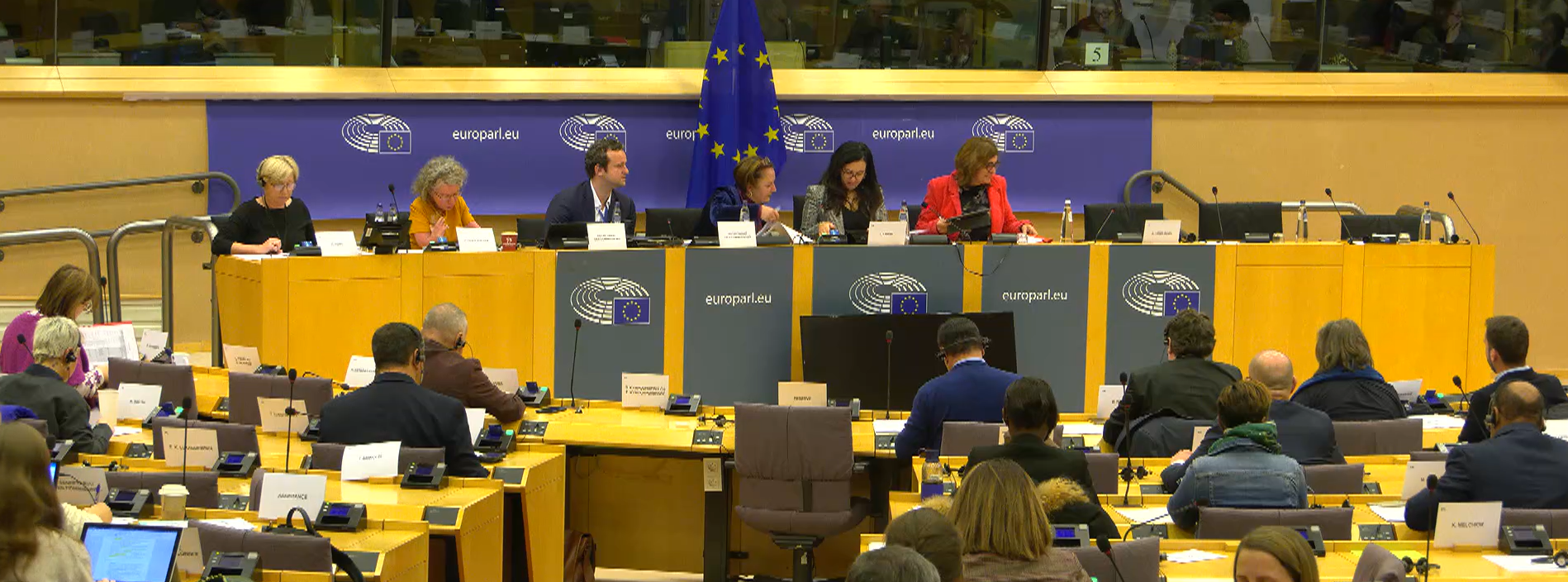
The European Parliament’s official position on the proposed Directive for a European Disability Card and a European Parking Card adopted by unanimity in a vote at the Employment and Social Affairs Committee is very appreciated. The position reflects the demands of persons with disabilities. It also means that negotiations between the EU institutions on the final text can now begin, the final phase of the EU decision-making procedure. 

The European Parliament must be congratulated for actively involving organisations of persons with disabilities while drafting it. It is especially needed to welcome: 

  • the demand for the European Disability Card to grant temporary access to allowances, support, and social security when moving for work and study. 
  • the provisions to access support when taking part in EU Mobility Programmes. 
  • the proposal to reduce the time of transposition and implementation of the European Disability Card – the Card must not take too long to become a reality. 

Read more here.
Related Posts

ArticlesNews
Call for a child-centred EU budget: Joint reaction to the Multiannual Financial Framework (MFF) Proposal

Call for a child-centred EU budget: Joint reaction to the Multiannual Financial Framework (MFF) Proposal

The next European Union (EU) long-term budget has the potential to invest in all children, everywhere – by tackling child poverty and upholding their rights under the United Nations Convention on the Rights of the Child (UNCRC) – ensuring these rights are protected, respected, and actively promoted. As organisations working on children’s rights, we call on the EU to invest in all children, everywhere. Read the recommendations of the Child Rights Action Group.

Read More

NewsOpinions
Text: Skills that makes a difference,
OPINION – Home and school: a powerful duo to develop children’s basic skills

OPINION – Home and school: a powerful duo to develop children’s basic skills

Strengthening basic skills - literacy, mathematics, science, digital competencies and citizenship - is key to preparing pupils for their future. These five basic skills support individuals in developing critical thinking, engaging with their communities, staying healthy, adapting to a rapidly changing job market, and navigating today's complexities, including digital tools and artificial intelligence (AI).

Read More