
We are pleased to share a new comparative report from our member organisation UNAPEI, which examines how inclusive education for children with disabilities is progressing across Europe.
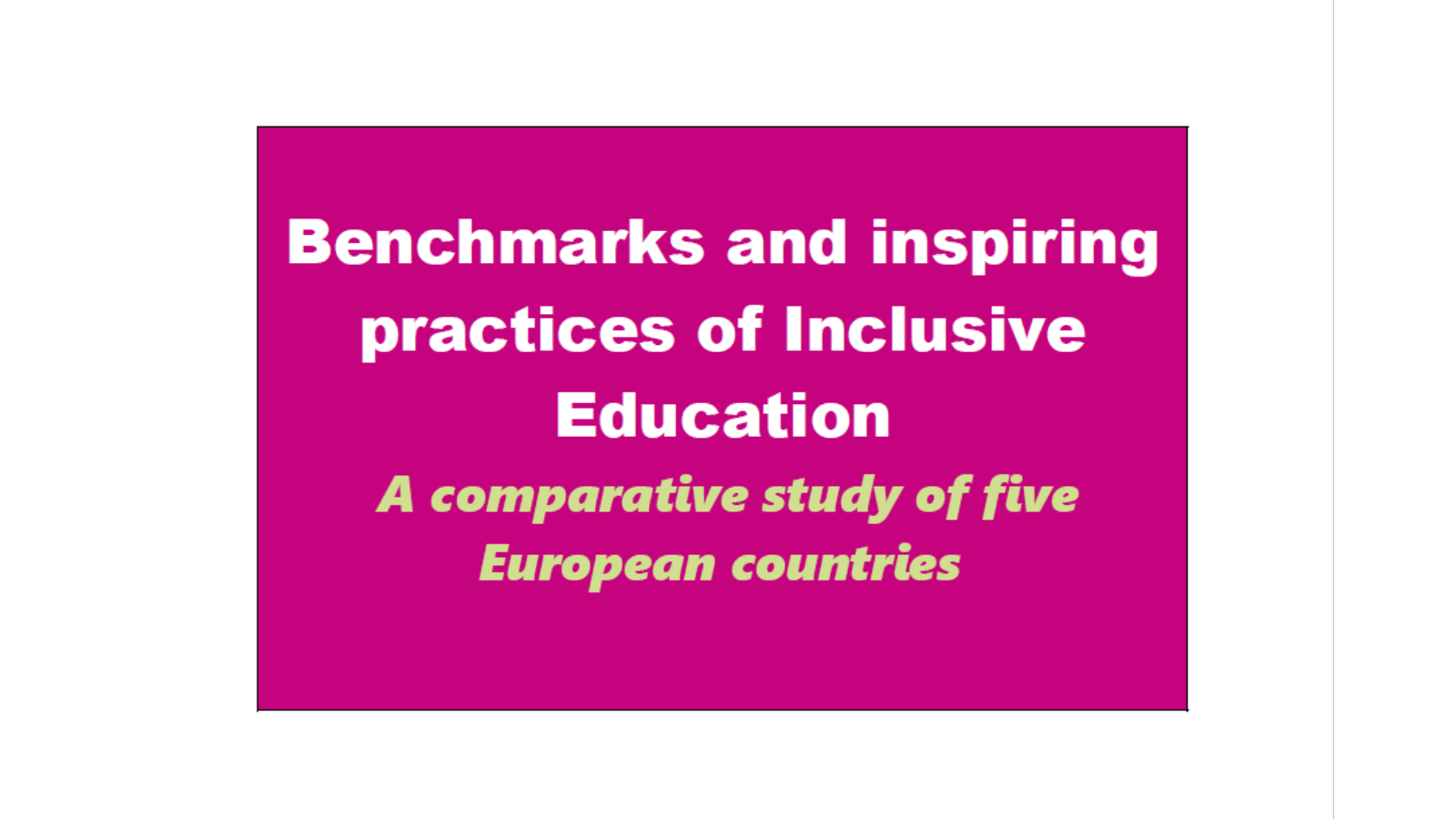
Despite clear international commitments, such as the UN Convention on the Rights of Persons with Disabilities, access to inclusive education remains patchy and uneven. UNAPEI’s latest publication, Benchmarks and inspiring practices of Inclusive Education, compares the laws, resources and practices in five countries: Italy, Sweden, Germany, Portugal and England.
The report highlights both encouraging examples and ongoing challenges. The analysis of Inclusive Education policies in the five European countries selected highlights significant disparities in both legislation and practices. A general trend seems however to be emerging, with a common desire to make inclusive education a fundamental principle of legislations. Despite these efforts, as feedback from families and associations shows, more still needs to be done in order to ensure that Inclusive Education is fully implemented: especially in the fields of accessibility, human resources and financial means.
It seemed therefore interesting to have, within UNAPEI and its European networks, a document highlighting the disparities and specificities between European countries. This might help identify benchmarks and tendencies on inclusive education a well as understand the overall status of European countries on the matter.
In France, UNAPEI has long campaigned for real change for families with intellectual disabilities. Back in 2018, the Council of Europe found France in breach of its obligations towards children with disabilities, which underlines that legislation alone is not enough without proper investment and practical action.
This comparative report is intended as both a reference point and a source of ideas. It shows that cooperation between schools and health and social care services is vital, that teacher training must be improved, and that sustainable funding is essential if all children are to receive the support they need.
How and why should this document be used by Unapei and its European networks?
In addition to providing a better understanding of where France stands in terms of education and inclusion of children with disabilities, this study could also serve as an opportunity to:
- Draw on inspiring practices to fuel both local and national advocacy and move public policy forward;
- Understand what works and what does not in the implementation of Inclusive Education policies;
- Open up to broader reflection on the contribution of the medicosocial services, especially in France, and the importance of promoting them within the context of Inclusive Education.
We invite everyone to share this important work and help push for real progress. You can read the full report here in English.
You can also read an illustrative summary of the report here also in English.
About UNAPEI
UNAPEI is France’s largest network supporting people with intellectual disabilities and their families. It brings together volunteers, professionals and families to defend rights and help build a society that works for everyone. UNAPEI has a network with 330 local associations and 3,000 institutions and facilities across France. Its mission is to ensure that every person with an intellectual disability, and their family, has the support and opportunities they need to live the life they choose. For more information, visit www.unapei.org.