
Supporting a Relative With a Disability:
Guidance and resources to better understand, take action and empower
About the Guide
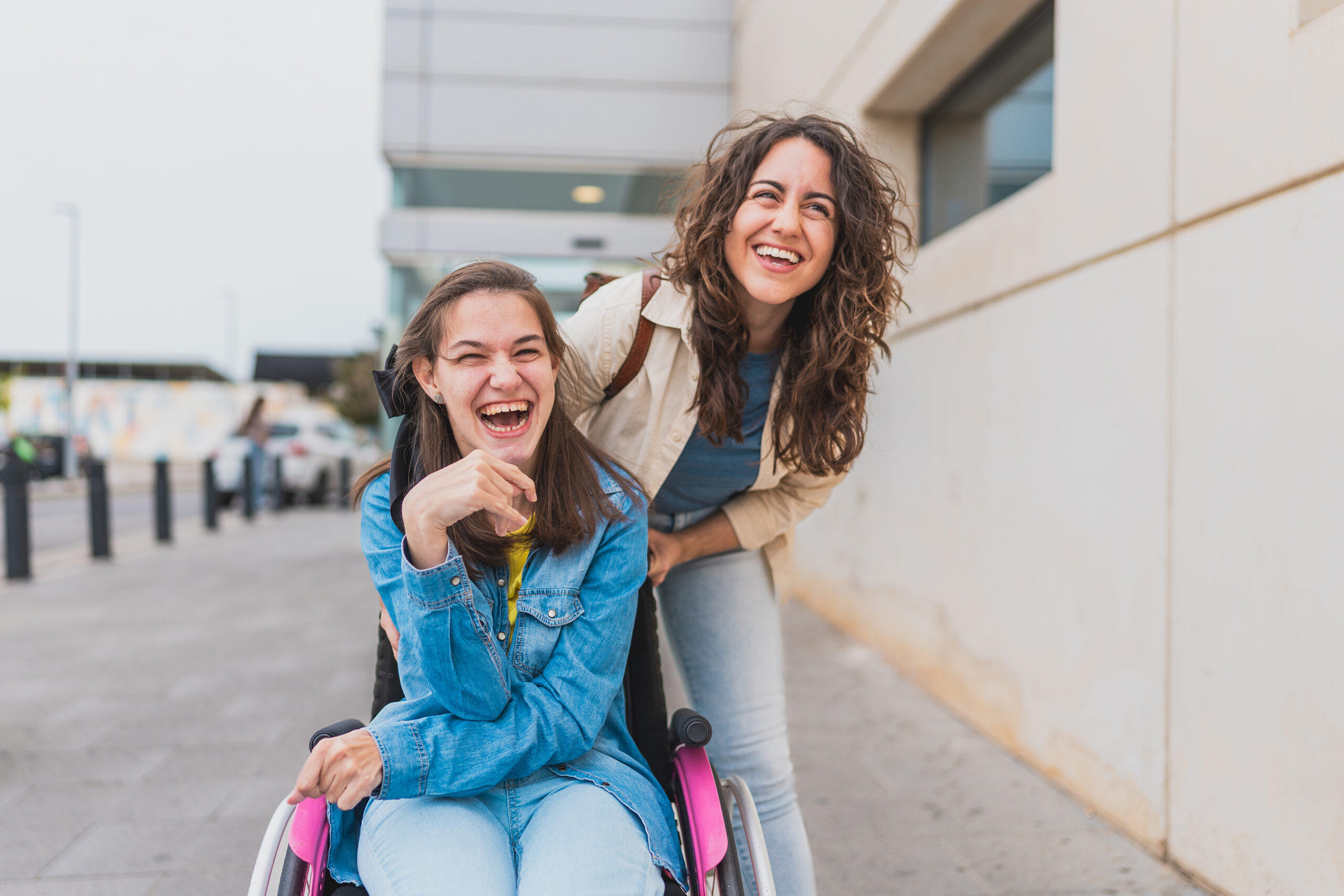
This guide is meant for people who support a family member, partner, or close friend with a disability. Some people wholly identify as family carers, while others prefer to see themselves as helping someone they care about, out of love or duty. We want to stress that both experiences are valid. The guide is meant for you, either way.
The Guide is split into four short self-paced modules on:
1. Understanding disability
2. Recognising your roles and skills in supporting someone with a disability
3. Navigating personal challenges and practising self-care
4. Engaging with the community
What will you learn?
At the end of the guide, you will be able to:
- Summarise the main approaches to disability, and build an understanding of how disability interacts with the environment;
- Understand the various roles you are playing, and recognise some of the key competences and skills you have developed through providing support;
- Feel empowered to care for yourself while also taking care of your relative;
- Recognise the value of peer support and community networks for family carers, and identify opportunities to connect with others and access local or online resources.
Practical information
Guide duration: Approximately 2 hours.
Reading approach: Create your own reading journey. You can read the modules in any order, return to them or skip parts that do not feel relevant right now.
How does it work? The Guide can be downloaded and printed.
Language: The Guide is available in English, French, Greek and Italian.
Free: The Guide is free of charge and is available on the KMOP Education Hub as an interactive resource.
Key resources
These are some of the resources used in developing the guide, which you can read at your own convenience:
Exercise which invites parents to go through a checklist of strengths, selecting the skills that apply to them | Magenta Belgium
Read it in English, French, Italian, Greek, Dutch
Talk and Take Action: A Family Guide to Disability Inclusion | Disability Belongs
Read it in English
Who Cares ? Study on the challenges and needs of family carers in Europe | COFACE Families Europe
Read it in English, French
The Family Dimension of the United Nations Convention on the Rights of Persons with Disabilities | COFACE Families Europe
Read it in English, French
A Guide To Shift Towards Meaningful Inclusion Of Persons With Disabilities And Their Families| COFACE Families Europe
Read it in English, French, Italian, Spanish, Portuguese
The Employment Equality Directive | European Union
Read it in English, French, Italian, Greek
The Work Life Balance Directive | European Union
Read it in English, French, Italian, Greek
The European Care Strategy | European Union
Read it in English, French, Italian, Greek
The Recommendation on Long-Term Care | European Union
Read it in English, French, Italian, Greek
The European Charter for Family Carers | COFACE Disability
Read it in English, French, English Easy-to-read
Contact
For further information, and if you have any questions, please contact Zoé Lardou at zlardou@coface-eu.org
Meet the co-creators: Dr Antonia Torrens and Zoé Lardou
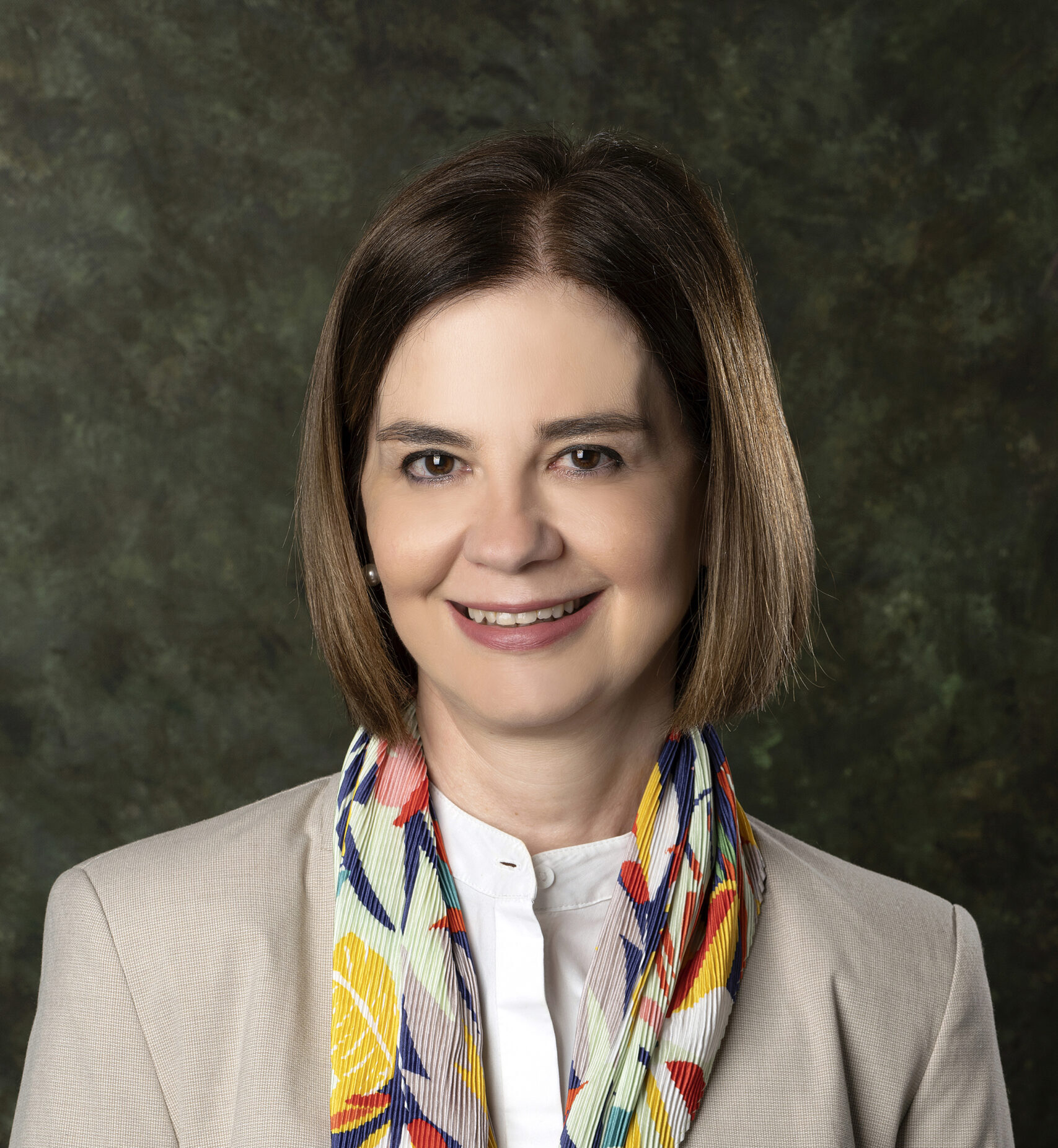
Antonia Torrens, Director General, KMOP, and President, COFACE Families Europe.
Dr. Antonia Torrens is an Educational Psychologist, General Director of KMOP and, since 2024, President of COFACE Families Europe. In 2004, Dr. Torrens led the establishment and operation of three community residential facilities and a day centre for people with mental health difficulties and psychiatric disorders under Greece’s national “Psychargos” programme, contributing to the country’s transition from institutional to community-based mental health care. Since then, she has continued to serve as scientific director of the psychiatric rehabilitation units, overseeing their operation and providing leadership. Her responsibilities include the recruitment, training, and supervision of staff and caregivers, ensuring the delivery of high-quality, person-centred mental health services. Dr. Torrens oversees numerous national and international projects. Her work focuses on supporting people with disabilities, unemployed individuals, survivors of violence and human trafficking, older adults, ethnic minorities, and other communities at risk of social exclusion.
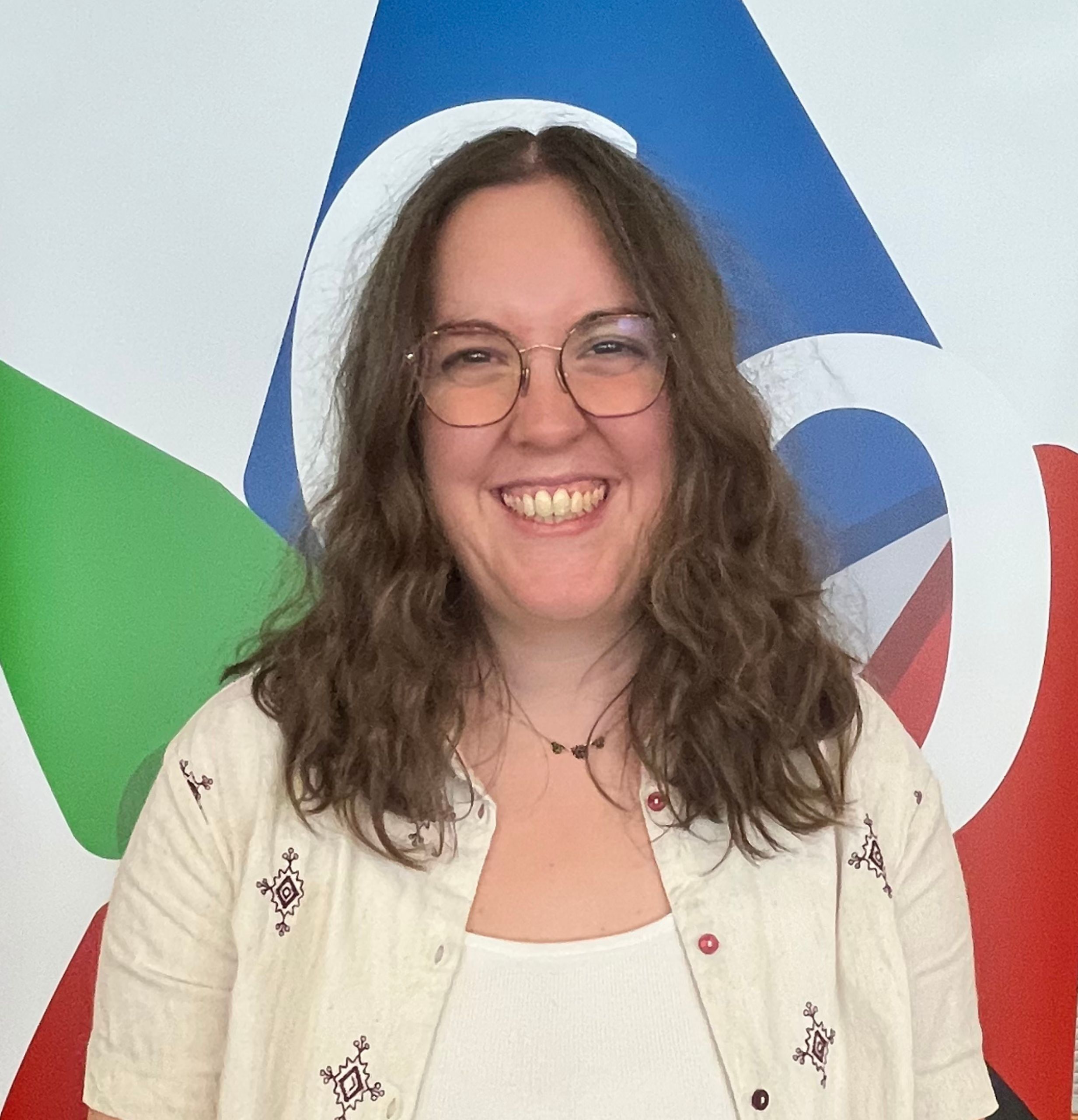
Zoé Lardou, Education programme coordinator, COFACE Families Europe.
Zoé coordinates the L.I.N.K. (Learning and Innovating through New Knowledge) programme and co-creates educational resources for families and professionals. With over 5 years’ experience in training design and facilitation, she has developed and led various educational programmes with different NGOs. As a content facilitator of this guide, and a family carer herself, she brought her knowledge in content selection and moderation, as well as in the field of disability, ensuring the document is inclusive of different realities, and tailored to family carers of persons with disabilities.
Core partners
COFACE Families Europe and the KMOP-Education & Innovation Hub are the core partners of European Family Lab- L.I.N.K. Programme.