
OPINION: When family carers step in, who steps up for them?
I don’t exactly remember the moment I became a carer. There was no conversation, no handbook.
Take a look at our Opinion series, with individual voices from inside and outside COFACE, providing different perspectives and insights on topics relevant for families of today.
I don’t exactly remember the moment I became a carer. There was no conversation, no handbook.
Families are under enormous pressure in today’s society. This is not simply about individual choices or a lack of resilience, but about the conditions in which families are expected to manage everyday life.
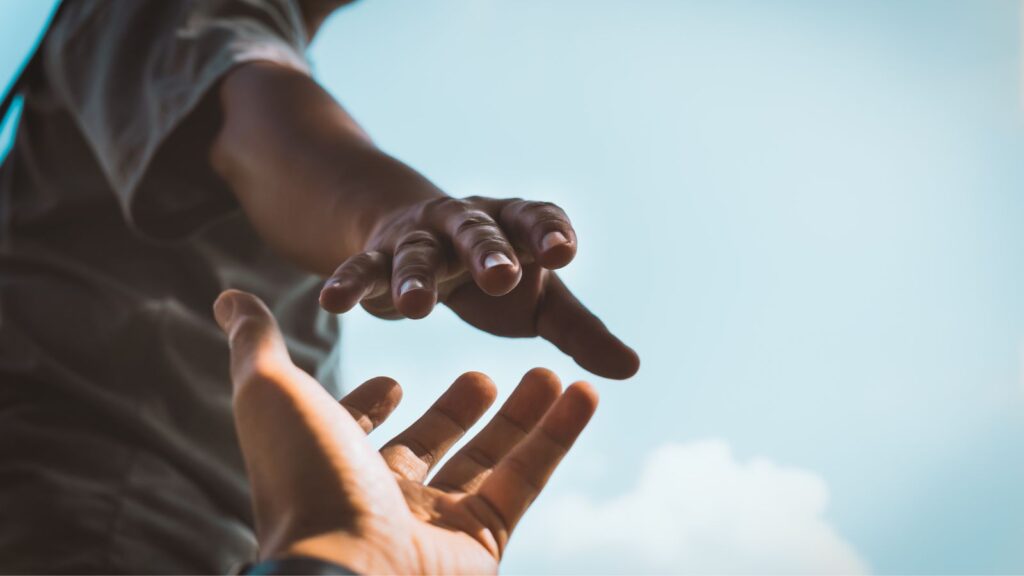
For about 15 years, I was active at the National Disability Observatory established by the Ministry of Welfare, and I must say that I found it very frustrating to work on the “restructuring plan” that never came into effect in those 15 years.

On 23rd of March 2023, the President of Poland signed the bill implementing the work-life balance directive in Poland and the new regulation came into force on 26th of April 2023. This marks, two years of advocacy work led by Share the Care foundation coming to an end.

Have you ever been inside a prison? For many children in Europe the inside of a prison is a reality when they go visit their imprisoned parent, some children even live together with their parent inside the prison. Children with imprisoned parents are often ‘invisible’ or ‘forgotten victims’ of the criminal justice system.
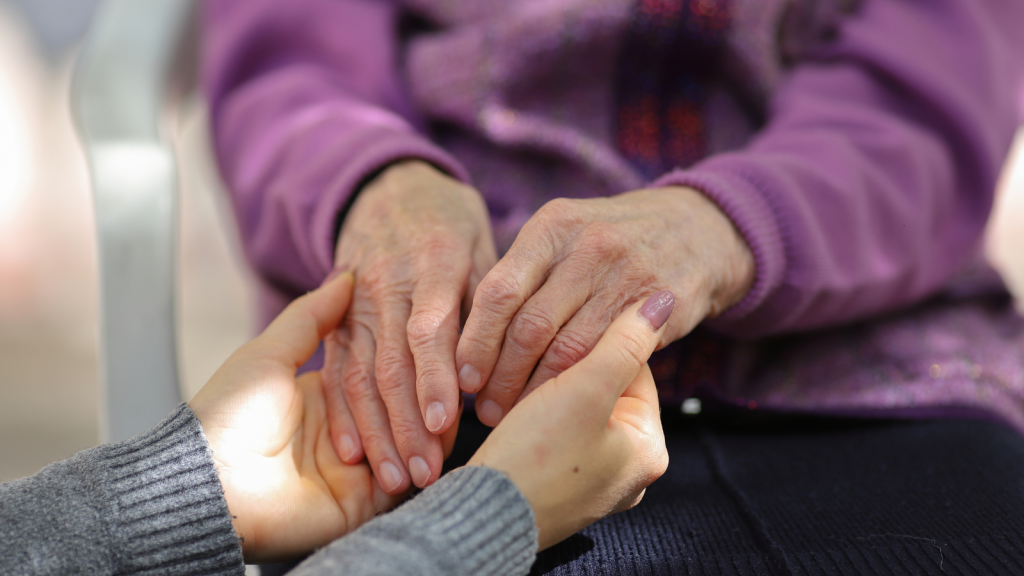
It could be a good brain-teaser to ask what is the occupation of the tens of millions of people in Europe today, whose daily work time can span over 24 hours and is not only essential but also life-saving. We could not even say that this type of work is underpaid as it is, in many cases, not paid at all. And although it is not necessarily undervalued, it is clear that this essential work is taken for granted. For COFACE Families Europe, who represents the interests of families across Europe, the answer to this brainteaser is evident.
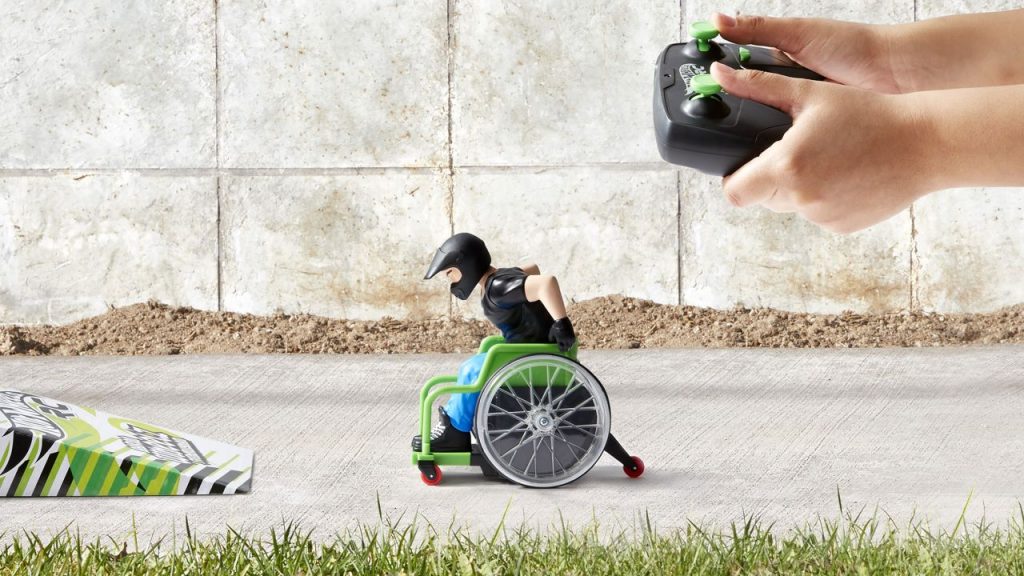
Around one in 10 children and young people worldwide have a disability, according to the United Nations Children’s Fund (UNICEF). Children with disabilities are 51% more likely to feel unhappy and 41% more likely to feel discriminated against than children without disabilities. We believe that representing all children through inclusive toys is hugely powerful.

We usually take time for granted, but the way we use our time is shaped by our individual and social circumstances and can lead to inequalities, inefficiencies, and diminished well-being of our society. Public and private initiatives that are put forward in order to address such issues are known as time policies.

The European Commission’s targeted consultation on a digital euro ended on the 16th of June and while the future of our common currency may seem far remote from the concerns of civil society, the stakes are much higher than one might suspect. COFACE-Families Europe answered the consultation underlining the importance of treating money as a public good, and especially, as a vital instrument for citizens to be able to transact freely.