


When families struggle, we are often quick to look for personal failings. But in a society where time, financial security and stability are increasingly difficult to come by, we should also ask whether families are really failing, or whether the systems around them are failing to provide the conditions they need to thrive.
Families are under enormous pressure in today’s society. This is not simply about individual choices or a lack of resilience, but about the conditions in which families are expected to manage everyday life. People are expected to make their finances work, find enough time, care for their children and loved ones, and maintain their own wellbeing, while some of the support structures they once relied on have become increasingly difficult to access.
The reality is that more people are choosing not to have children, parents are reaching their limits, and loneliness is spreading even within family life. These developments cannot be explained by individual choices alone. They also reflect wider social and economic conditions. We need stronger support for families, rather than more judgement about how families should live and function.
When we think about families, we often associate them with love, closeness and security. Yet there is another dimension that receives far less attention: the stress, financial uncertainty and constant worry that can shape family life. Whatever form a family takes, there are challenges that are too often overlooked. What happens if you become a single parent, fall ill, lose your job or struggle to find housing? Too many families lack the support they need to prevent everyday life from becoming a constant source of anxiety and pressure.
When support systems fall short, families are often expected to find their own solutions. It is difficult to expect a single parent who has been denied social assistance, for example, to simply overcome a situation shaped by circumstances far beyond their individual control. This is where society has a role to play. Families should not be expected to absorb every shock on their own, particularly when the challenges they face are shaped by wider economic and social conditions.
Through my work with family organisations across Europe, I see similar patterns emerging again and again. While every country has its own context, many of the challenges are strikingly familiar. We need more coherent social policies that support families when circumstances change and ensure that children and adults can live with dignity and security.
If we want families to thrive, we need to look not only at people’s choices, but also at whether society is providing them with the security and support they need.
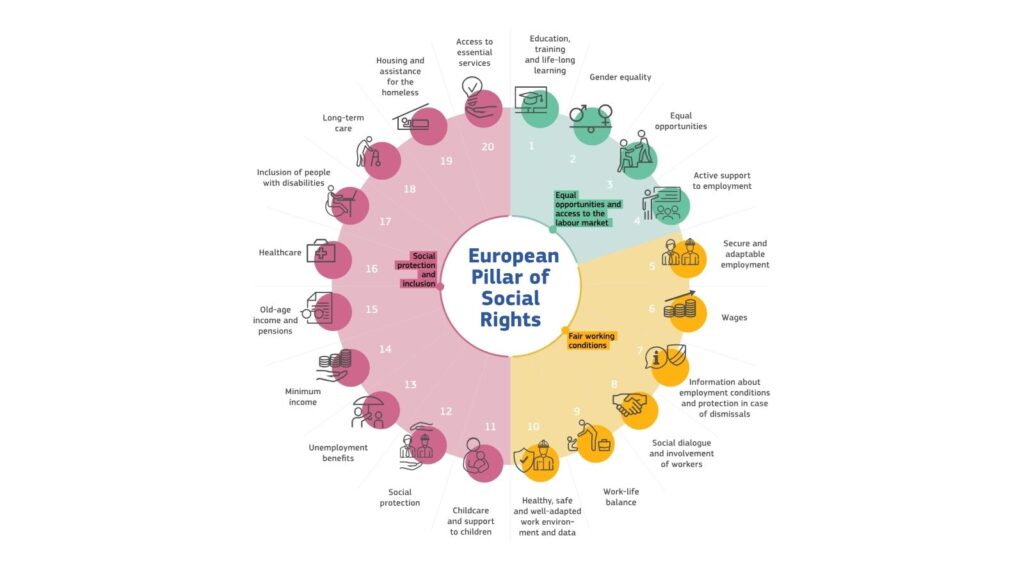
So, what does it take for families to thrive? It takes time. It takes financial security. It takes access to housing, childcare, social protection and essential services. It takes support when life becomes difficult. And it takes working conditions that allow people to care for their families without having to choose between earning a living and being there for those who depend on them.
Families are not simply private life projects. They are part of the foundation on which our communities and societies depend. Supporting families is therefore not about telling people how they should live. It is about creating the conditions in which different kinds of families can flourish, participate fully in society and provide care, security and belonging.
It is time to move beyond romanticising family life and start building a society that genuinely supports families in all their diversity.
About the author: Ida Bjorklund is part of the COFACE Familes Europe secretariat in Brussels and works as a Communications officer.
**DISCLAIMER: All opinions in this article reflect the views of the author, not necessarily of COFACE Families Europe**