

The second wave of the European Institute for Gender Equality CARE Survey offers one of the most comprehensive pictures to date of how unpaid care responsibilities continue to shape everyday life across the European Union. Conducted in 2024 across all 27 EU Member States, the survey gathered responses from more than 65,000 people aged 16 to 74, examining how women and men organise childcare, long-term care, housework, work-life balance and leisure time.
Building on the first CARE Survey conducted in 2022, the new findings reinforce a message already familiar to many families and carers across Europe: despite progress in gender equality policies, unpaid care work still falls disproportionately on women.
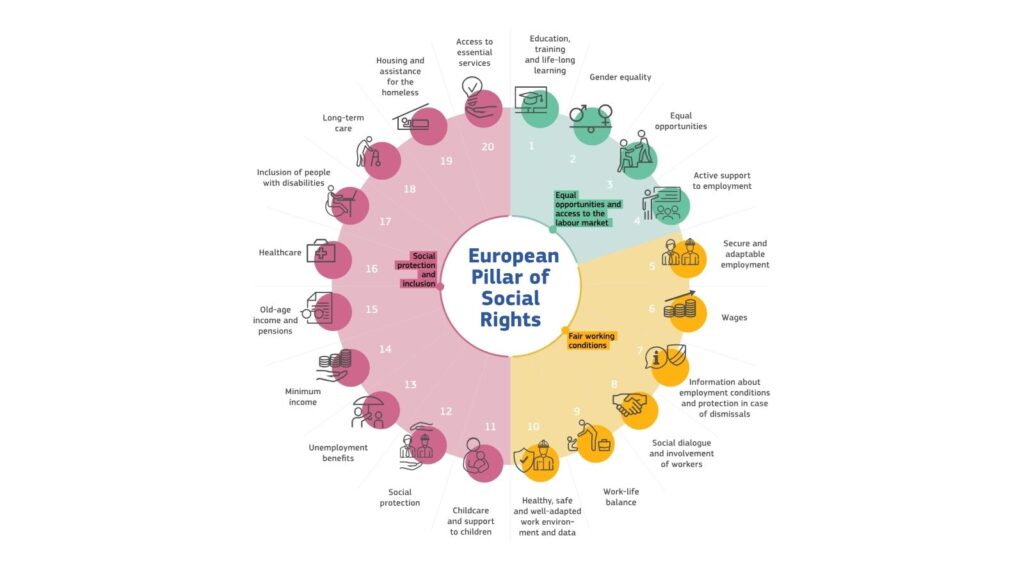
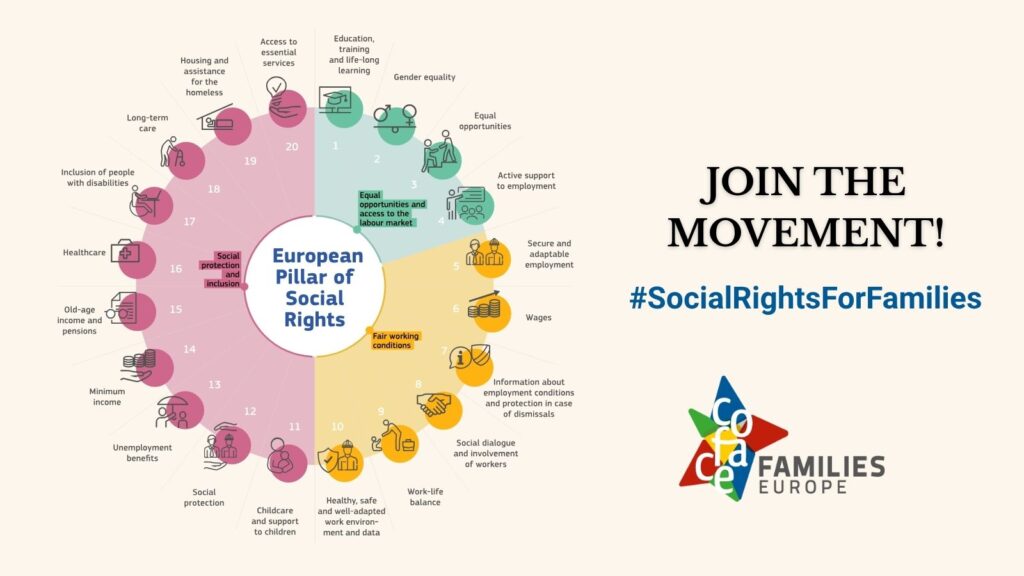
The survey was developed to support key EU commitments, including the European Care Strategy, the EU Gender Equality Strategy 2020–2025 and the European Pillar of Social Rights. It aims to strengthen the EU’s evidence base on care inequalities and help policymakers design more effective and inclusive support systems.
Women continue to carry the heaviest care burden
One of the clearest findings of the report is that women remain the primary providers of unpaid care across the EU. While women and men may report similar overall participation in childcare, women spend significantly more time on intensive caregiving tasks. Across the EU, 41% of women providing childcare for children under 12 spend more than 35 hours a week on caregiving, compared with only 20% of men.
Women are also far more likely to take responsibility for daily and emotionally demanding care activities, including feeding, bathing, supervising children and providing emotional support. For example, 73% of women report carrying out personal and physical childcare tasks every day, compared with 54% of men.
The imbalance extends beyond childcare. Around one in five adults in the EU provide informal long-term care, such as caring for elderly relatives or people with disabilities. Although women and men provide long-term care at similar rates overall, women are more likely to care for older relatives and to carry out daily household and emotional care tasks.
The survey also reveals a persistent “mental load” carried by women, who are more often responsible for planning and coordinating care and household responsibilities. Men, by contrast, tend to be involved in narrower or less frequent tasks.
Access to care services remains uneven
The CARE Survey highlights how families continue to rely heavily on informal support networks, particularly relatives, friends and neighbours, to meet their care needs. However, this support is often insufficient.
Women are more likely than men to report that they needed help with childcare but did not receive it. Meanwhile, men are more likely to benefit from regular unpaid support from relatives or neighbours.
Formal childcare services remain inaccessible for many families. Across the EU, around one quarter of parents report unmet needs for early childhood education and care services for children aged 0 to 5. Cost is consistently identified as the main barrier. Around 26% of women and 21% of men say that childcare services are simply too expensive.
Parents also report challenges related to waiting lists, limited availability and unsuitable opening hours. Similar patterns emerge for out-of-school-hours care services for children aged 6 to 11.
These findings underline the importance of affordable, accessible and high-quality care services in enabling families to balance work and caregiving responsibilities.
Care responsibilities affect employment and well-being
The unequal division of care has direct consequences for women’s participation in the labour market. According to the survey, one in five women providing care report daily difficulties balancing paid work with caregiving responsibilities. Women are also more likely than men to reduce their working hours in order to accommodate care responsibilities, reinforcing existing gender gaps in income, career progression and economic independence.
Beyond employment, caregiving also affects physical and mental well-being. Both women and men providing care report increased feelings of loneliness and psychological distress. Daily housework is linked to reduced engagement in leisure activities, particularly among women.
The survey also identifies a significant gender gap in time available for leisure, physical activity and social participation. Men spend more time on voluntary, charitable and political activities, while women often have less free time due to caregiving responsibilities.
Gender norms are changing slowly
While attitudes towards shared caregiving are evolving, traditional gender norms continue to shape expectations around unpaid care and housework.
The survey identifies generational differences, with younger women more likely to support equal sharing of care responsibilities. However, many young men still hold more traditional views about women’s role in childcare and household management. Nearly half of young men surveyed agreed that mothers should stay at home if childcare services are unavailable while fathers prioritise their jobs.
According to EIGE, these attitudes demonstrate that policy change alone is not enough. Cultural and social norms around care also need to evolve if gender equality goals are to be fully realised.
A key tool for future EU policymaking
The second wave of the CARE Survey provides updated and comparable data that will help monitor the implementation of the European Care Strategy and broader EU gender equality commitments. It also contributes to future editions of EIGE’s Gender Equality Index and supports EU monitoring frameworks linked to social rights and decent work.
As Europe faces growing care needs linked to ageing populations, changing family structures and economic pressures, the findings offer an important reminder that unpaid care remains a central issue for gender equality, social inclusion and economic resilience.
The report ultimately points to the need for stronger investment in affordable care services, better work-life balance measures and policies that encourage a more equal sharing of unpaid care responsibilities between women and men.