

A new survey by COFACE member organisation Women for Women highlights how access to school lunches goes beyond nutrition, playing a key role in children’s social inclusion and sense of belonging in the classroom.
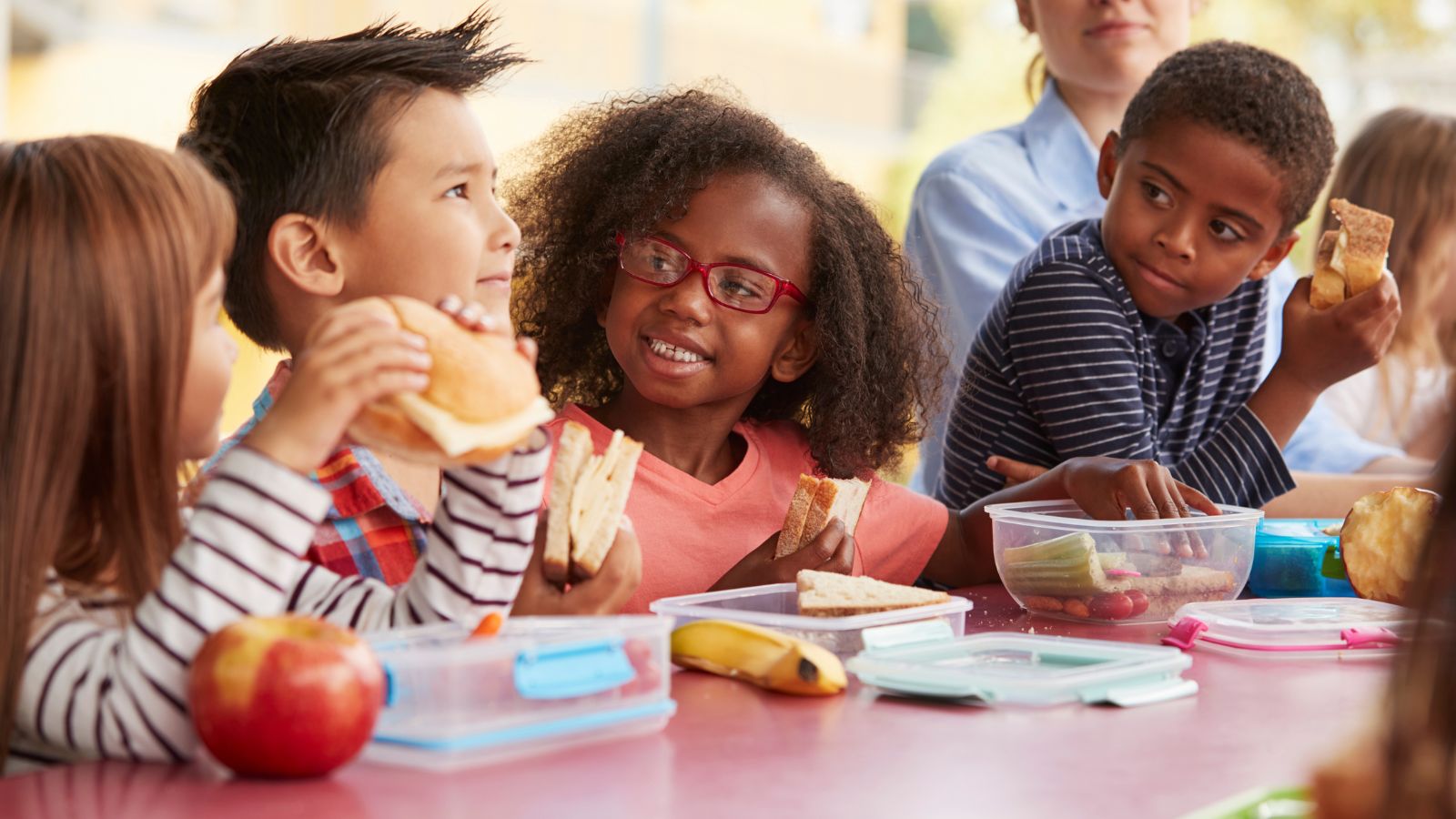
The findings show that children who do not take part in shared school meals risk being left outside the peer group. According to the research, lunch breaks are an important moment for informal interaction, where friendships are formed and strengthened. When a child is not part of this shared moment, they can become more isolated from their classmates.
The survey underlines that missing out on school meals is not only about food insecurity, but also about social exclusion. Teachers and schools involved in the study describe lunch as a key part of the school day where children connect on equal terms, regardless of background.
When children do not participate in these shared meals, they may miss opportunities to integrate into the group. This can affect how they experience their place in the classroom and how easily they engage with peers during and after school breaks.
The research also suggests that school meals can function as a form of social bridge. When all children eat together, it reduces visible differences and creates a shared routine that supports inclusion. In contrast, children who are excluded from this moment risk being left on the margins of informal school life.
According to the findings, this form of exclusion can have wider effects on children’s school experience. It is not limited to the lunch break itself, but can influence participation, confidence, and the ability to build relationships in the classroom environment.
Women for Women’s survey therefore points to school meals as more than a welfare measure. They are also a tool for ensuring that children feel included in everyday school life.
The research concludes that shared lunches act as an important “entry point” into the social life of the classroom, reinforcing the idea that school meals contribute not only to children’s wellbeing, but also to their sense of belonging.