
COFACE-Families Europe recognises the profound impact that personal insolvency laws have on families, particularly those in vulnerable situations, including families with children, families with disabilities, and low-income households. While business insolvency has been partially harmonized at the EU level[1], personal insolvency remains fragmented across member states. This fragmentation leads to inconsistent outcomes, exacerbating the financial difficulties of over-indebted families and undermining social cohesion.
In the context of ongoing discussions at the EU level regarding financial legislation and social policy, COFACE-Families Europe is positioning itself on personal insolvency to advocate for policies that protect families. With the potential for new laws or consultations under the new European Commission, it is crucial to address personal insolvency comprehensively.
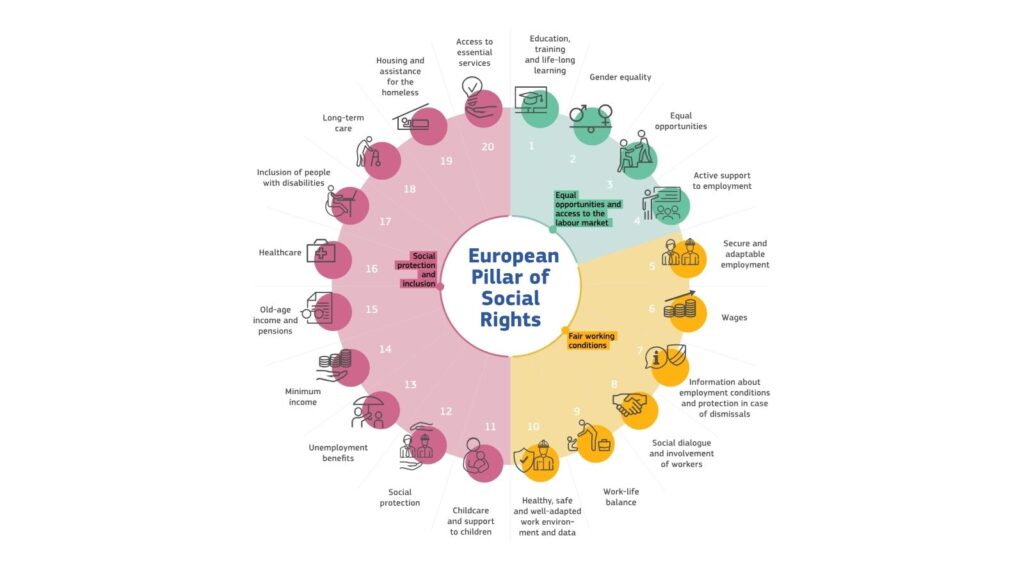
This focus aligns with the EU’s broader objectives of social inclusion, economic resilience, and the promotion of the European Pillar of Social Rights. By engaging in this dialogue now, COFACE-Families Europe, alongside many other organisations such as Finance Watch, aims to contribute to the development of a framework that supports families in overcoming financial hardships.
Key principles for an effective European personal insolvency framework
- Preserving human dignity and family well-being: Any effective insolvency framework must prioritize the preservation of human dignity, ensuring families maintain a guaranteed minimum income that provides for decent living conditions. Essential family needs such as housing, healthcare, education and childcare should be specifically safeguarded throughout the insolvency process.
- Presumption of good faith: Insolvency laws should operate on the presumption that debtors act in good faith unless proven otherwise. This principle ensures that debtors are not unfairly penalized and that the process is fair and just across all member states.
- Family-sensitive insolvency procedures: Insolvency frameworks must specifically account for family dynamics, including divorce or separation, where debts may be shared equally but income disparities often persist. Insolvency laws should allow for equitable adjustments or alternative repayment schemes that recognise unequal income distribution between former partners, to prevent disproportionate hardship on the economically weaker spouse.
- Clear and flexible criteria for personal insolvency: The criteria to access personal insolvency should distinguish clearly between debts arising from unforeseen emergencies (such as natural disasters like fires, floods, or storms) and debts stemming from economic difficulties linked to personal or family related problems (health, divorce, loss of employment). Given the growing frequency of climate-related emergencies and associated financial distress, insolvency frameworks should explicitly address emergency-driven indebtedness, ensuring affected individuals receive swift access to insolvency procedures without overly burdensome criteria.
- Reference to FSUG and Finance Watch recommendations: Insolvency laws should take into account the prior work done by the FSUG and Finance Watch to determine essential criteria for an effective insolvency framework such as affordability, accessibility, timeliness, and independence.
Read the full position paper here.
[1] https://eur-lex.europa.eu/legal-content/EN/TXT/PDF/?uri=CELEX:32019L1023