
In Italy, COFACE member CSB Onlus is carrying out a scientific research project that place parents’ existing competences at the centre of support for children and families. Rather than focusing on what parents may be doing wrong, it helps them recognise the positive interactions that are already part of their relationship with their children.
Together with the IRCCS Burlo Garofolo of Trieste and the Villaggi per Crescere network, CSB Onlus is involving 210 families with children aged between 10 and 30 months across different cities in Italy.
The idea is not to offer parents a list of instructions or “10 steps for…” that describes what a good parenting is. Instead, it gives the opportunity to observe their interactions with their children and become more aware of their own strengths and skills.
At the methodological and scientific core of the research, there is P.I.C.C.O.L.O. (Parenting Interactions with Children: Checklist of Observations Linked to Outcomes), implemented in the Villaggi per Crescere. It is an international observational tool designed for parent-child interactions, aged 10 to 47 month, used to identify positive parent-child interactions and explore how they can support children’s development.
How does it work?
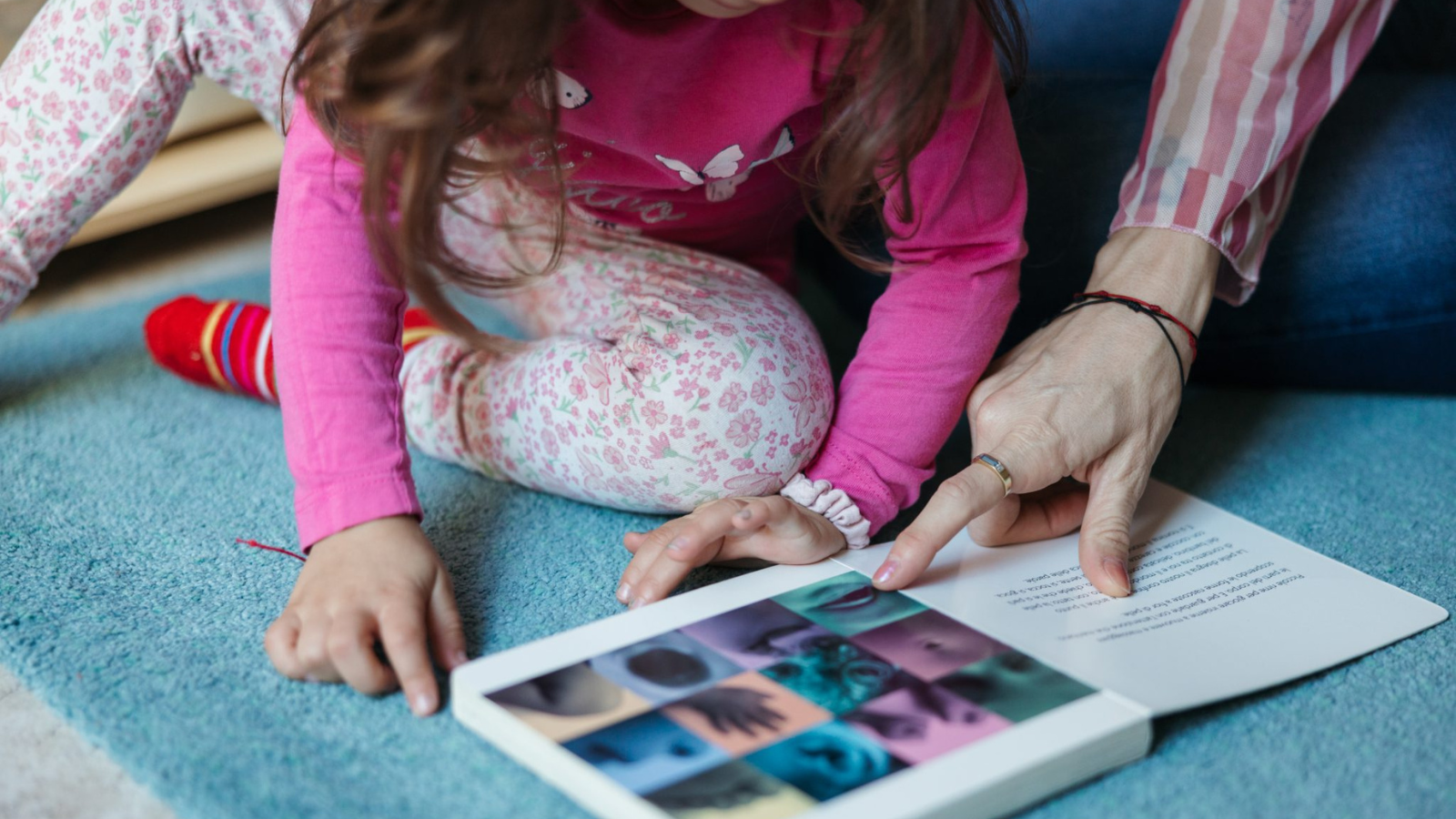
Within the Villaggi per Crescere, parents are recorded for 15 minutes while playing with their children using toys and books.
Afterwards, the parent and an educator watch the recording together. They look at the interaction and identify positive moments and behaviours. The observation focuses on four areas: Affection, Responsiveness, Encouragement and Teaching. These include how parents respond to their child’s signals, encourage exploration and autonomy, help them learn new things through play and everyday interactions.
What distinguishes this approach is its starting point. Instead of beginning with shortcomings or difficulties, parents and educators identify the strengths that emerge naturally during the interaction and use them as a basis for reflection and dialogue.
This shared observation gives parents the opportunity to see themselves from an outside perspective and to recognise dynamics that may otherwise go unnoticed in everyday interactions.
The project also has broader relevance for family support. Supporting parents to become more aware of what they already do well can strengthen their confidence and support positive children’s development and family well-being.